

Image Source: Magnfic
by Kai Cui
It is hard to believe that we head into Q4 2026, while mainstream marketing campaigns may revolve around Thanksgiving, Black Friday, Christmas and Boxing Day, Canada’s holiday season doesn’t arrive with a single calendar.
Millions of Canadians and Americans of diverse backgrounds are also observing cultural and religious moments that shape when they gather, what they buy, who they celebrate with and how they engage with brands. For marketers, this creates an opportunity to move beyond a one-size-fits-all approach to holiday marketing and recognize the cultural moments that matter to different communities.
From Latin American heritage and Diwali to Singles’ Day, here are three cultural moments worth putting on your marketing radar.
November 2: Día de los Muertos
Extending the conversation beyond Latin American Heritage Month

Source:Starbucks Canada
Día de los Muertos, or Day of the Dead, is primarily observed on November 2. For marketers, it provides a natural opportunity to extend the conversation around Latin American Heritage Month in Canada and Hispanic Heritage Month in the United States, which are observed in the fall.
One thing to keep in mind is that Día de los Muertos is not simply a Mexican version of Halloween. Rooted particularly in Mexican traditions, it is a celebration of remembrance, family and connection with loved ones who have passed away. Altars, flowers, food, music and other traditions can play an important role, with practices varying across families and communities.
The marketing opportunity: Think beyond the visual shorthand of sugar skulls and marigolds. Work with Mexican creators, cultural experts and community voices to develop storytelling that reflects the meaning behind the occasion. For example, Starbucks Canada announced a collection of limited-edition tumblers and travel mugs inspired by the holiday and its Mexican cultural heritage in 2024, showcasing how a global brand can localize a cultural moment through collectible products, creating both cultural visibility and commercial appeal.
November 6 – 10: Diwali
From a cultural celebration to a major marketing moment
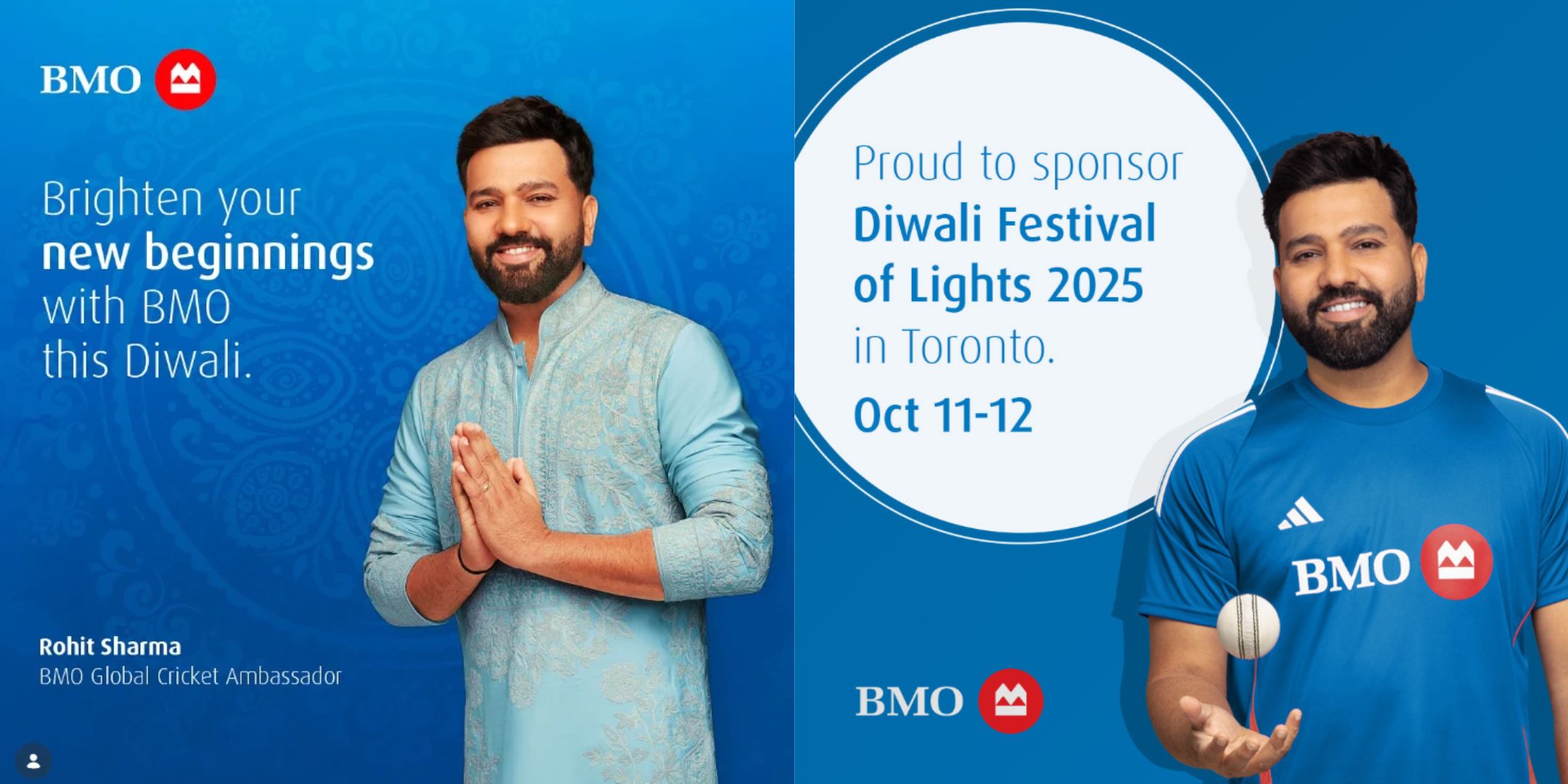
Source: rohitsharma45 & bmocanada
Diwali, widely known as the Festival of Lights, is one of the most significant celebrations for Hindus and is also observed by other South Asian faith communities such as Sikhs, Jains and some Buddhists
In 2026, Diwali starts on November 6, lasts 5 days, and it connects directly to Hindu Heritage Month. Therefore, it creates an opportunity to move from a single-day campaign to a broader cultural conversation.
For marketers, Diwali arrives as Canadians and Americans move into the heart of the holiday shopping season, making it a natural moment for brands to think about gifting, entertaining, family and celebration. However, it is important to note that. Diwali traditions, languages, foods and customs can vary significantly by region, religion and family. A Diwali celebration in a Gujarati household, for example, may look different from one in a Punjabi or Tamil household. Families may observe different prayers and rituals, prepare different regional sweets and dishes, speak different languages at home, or celebrate on different days and in different ways.
The marketing opportunity: Start early and think beyond a simple Diwali greeting. The most meaningful opportunities lie in connecting with audiences through culturally relevant gifting, creator partnerships, community activations and festive experiences—while ensuring the message has a natural connection to the brand. BMO offers a strong example. In 2024, it partnered with international cricket star Rohit Sharma ahead of the ICC Men’s T20 Cricket World Cup, and in 2025, it sponsored Toronto’s Diwali Festival of Lights at Nathan Phillips Square. By tapping into both cricket and Diwali—two meaningful cultural touchpoints for many South Asian Canadians—BMO created multiple opportunities to engage with the community while reinforcing its commitment to helping newcomers build their financial futures in Canada.
November 11: Singles’ Day/Double 11
The global shopping moments to extend the Black Friday
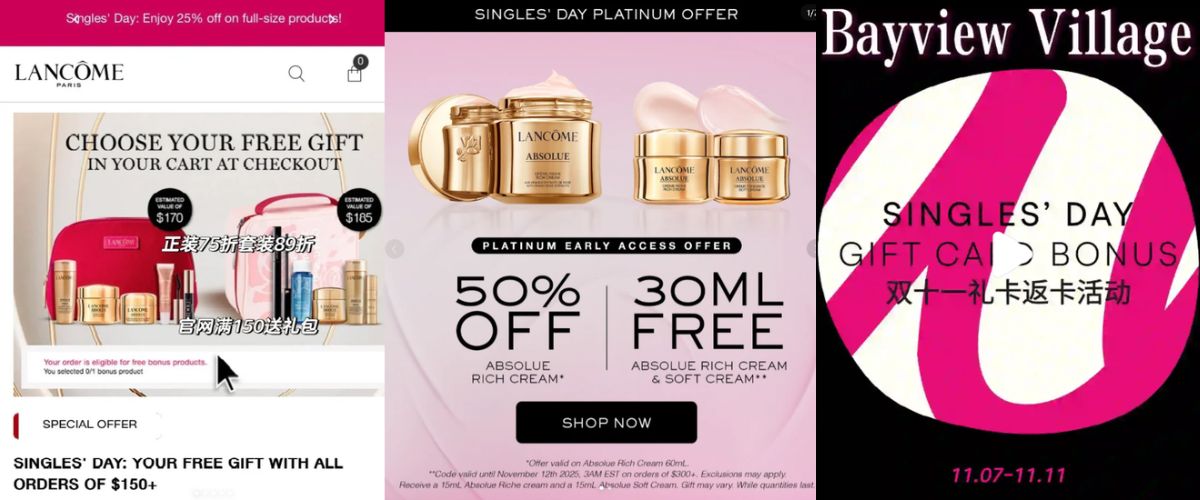
Source: RedNote, RedNote & Bayview Village
November has become synonymous with Black Friday and Cyber Monday in North America. But before those events arrive, another major shopping moment takes place globally: Singles’ Day or Double 11.
Originally associated with celebrating single life in China, Double 11 has evolved into a major retail phenomenon and the world’s largest shopping events. Some Canadian brands and retailers have already embraced Singles’ Day as a standalone promotional opportunity. Lancôme offered 25% off full-size products, 11% off sets and a complimentary gift set with purchases of $150 or more, using Double 11 to create a distinct beauty-shopping moment. Meanwhile, Bayview Village Shopping Centre in Toronto offered shoppers 11% back when purchasing a gift card, extending the Double 11 concept beyond product discounts and into a broader retail incentive.
The marketing opportunity: The question isn’t whether Singles’ Day will become a marketing opportunity, but whether your brand will be an early mover or a follower. Rather than treating Double 11 and Black Friday as separate moments, brands can use Singles’ Day to engage shoppers earlier, build purchase intent and create momentum leading into Black Friday and Cyber Monday. The opportunity isn’t to replicate China’s Double 11 playbook, but to recognize how global cultural moments can expand Canada’s traditional retail calendar and create new Q4 shopping occasions.
Ready to Build a More Culturally Relevant Holiday Season?
Multicultural marketing shouldn’t be an exercise in simply adding more dates to your content calendar. It starts with cultural understanding — knowing which communities matter to your business, understanding their cultural nuances, creating work that feels genuinely relevant, and partnering with the right voices to ensure your brand shows up authentically.
That’s the shift from calendar-driven marketing to community-driven marketing. And it’s what turns multicultural marketing from a box-checking exercise into a meaningful growth strategy.
For brands that know how to engage audiences with cultural intelligence, the opportunity is clear. From strategy and audience insights to creative, media, and community partnerships, a strong multicultural marketing approach can help your brand build deeper connections, stay culturally relevant, and drive meaningful growth.
Looking to make your Q4 marketing strategy more culturally relevant? Just reach out to us.